
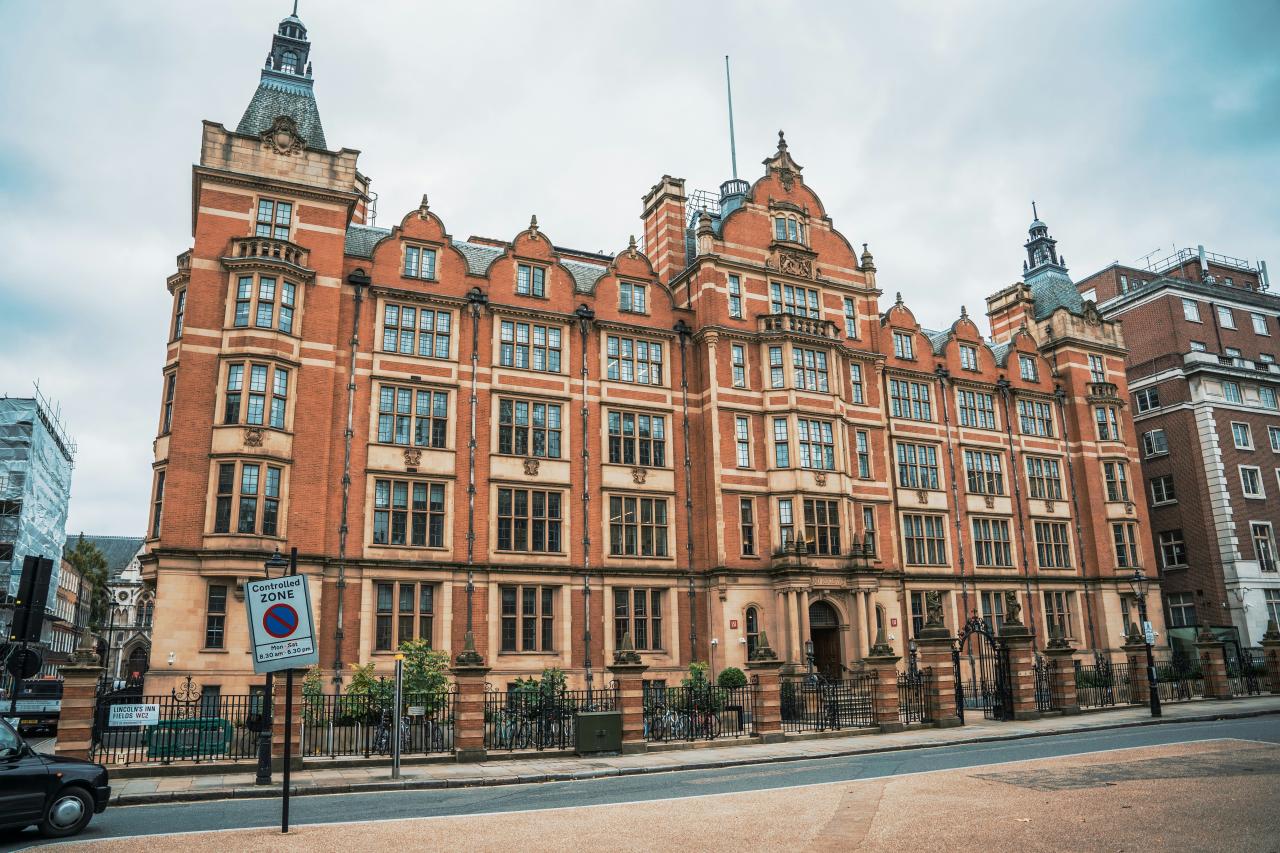
The built environment serves as a profound mirror of a society’s values, history, and collective identity. When we look at iconic cultural architecture, we are not just seeing steel, glass, or stone; we are observing a physical narrative that spans generations. These structures act as monumental anchors in our urban landscapes, preserving the stories of the past while providing a stage for future innovation. Architects who specialize in heritage design face the unique challenge of honoring ancestral craftsmanship while integrating modern structural requirements. This delicate balance ensures that a city’s unique cultural fingerprint remains visible even as it evolves into a globalized metropolis.
By studying these landmarks, we gain insight into how diverse civilizations interpreted beauty, power, and spirituality through their unique design languages. Today, the revival of heritage-inspired architecture is gaining momentum as people seek authenticity in an increasingly standardized world. This article will explore the intricate philosophy behind cultural architecture and the meticulous processes required to preserve and reinvent it. We will examine how these buildings influence local economies, foster social cohesion, and define the global reputation of the cities they inhabit.
The Philosophical Roots of Cultural Architecture
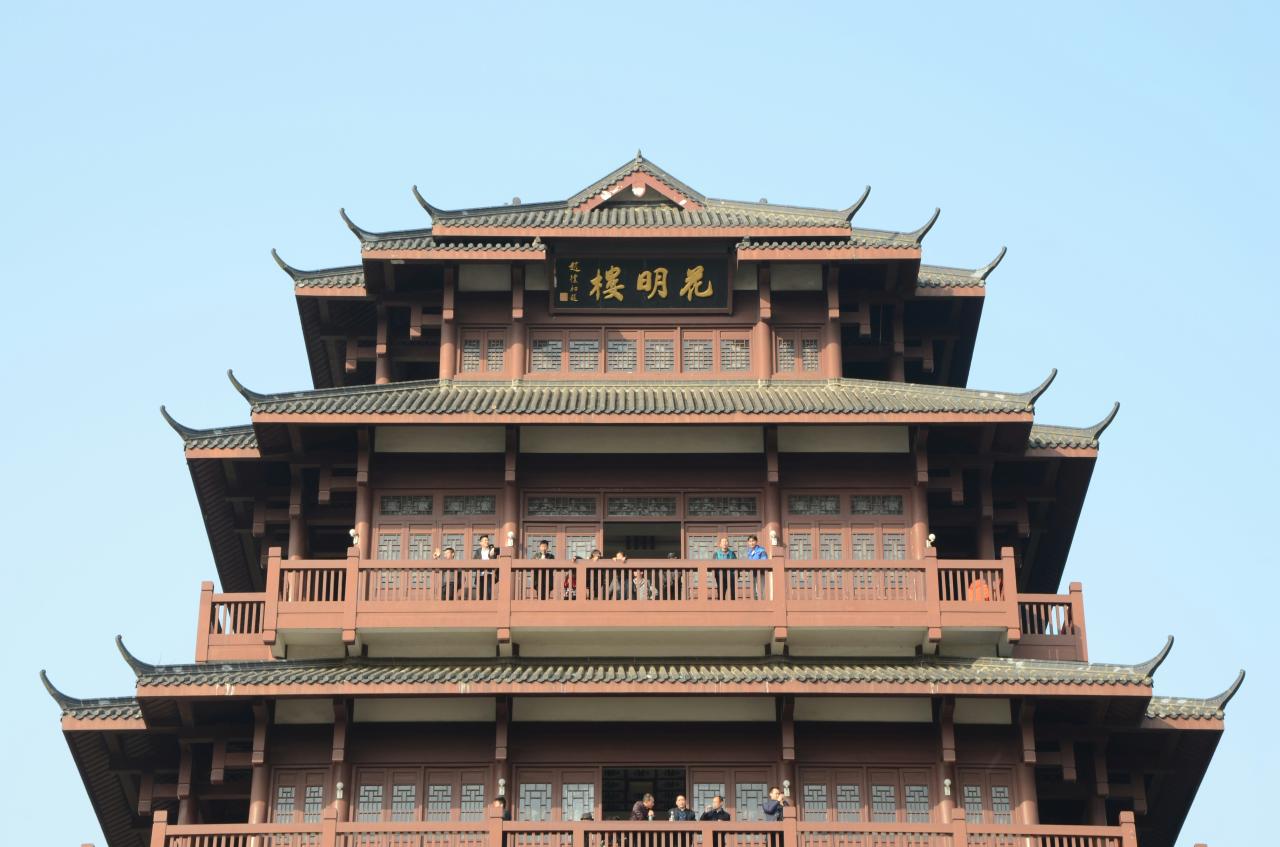
Cultural architecture is more than just a style; it is a manifestation of a community’s soul and its relationship with the land. Every curve and every material choice carries a specific symbolic weight that resonates with the local population.
A. Symbolism and Metaphor in Form
Architects often use metaphors to represent national identity. For example, a roofline might mimic a nearby mountain range, or a building’s orientation might align with celestial events important to local lore.
B. The Continuity of Craftsmanship
Heritage design relies on traditional building techniques that have been refined over centuries. Using local artisans to carve stone or forge iron ensures that the building remains connected to its human history.
C. Place-Making and Social Memory
Iconic buildings serve as “social anchors” where community memories are formed. These spaces provide a sense of belonging and help maintain a shared identity in a fast-paced, digital world.
Strategies for Heritage Preservation and Adaptive Reuse
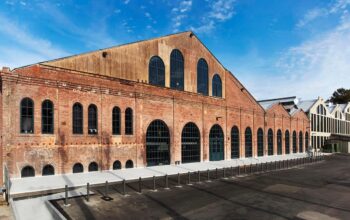
Preserving the past does not mean keeping it frozen in time; it means making it relevant for the modern era. Adaptive reuse is the practice of breathing new life into old structures without erasing their historical essence.
A. Structural Retrofitting with Modern Tech
Old buildings often need reinforcement to survive earthquakes or heavy modern foot traffic. Engineers use hidden steel frames or carbon fiber wraps to strengthen historic walls without changing their appearance.
B. Integrating Sustainability into Ancient Sites
High-performance heritage design often involves adding solar glass or geothermal heating to old cathedrals or palaces. This makes the building economically viable and environmentally friendly for the future.
C. Maintaining Material Integrity
When a historic stone or wood decays, designers must source identical materials from original quarries or forests. This commitment to “truth in materials” is what separates a true restoration from a superficial renovation.
The Role of Aesthetics in Urban Identity
A city’s visual skyline is its most powerful marketing tool, and iconic cultural architecture provides the unique silhouettes that define it. These buildings create a “visual brand” that attracts millions of visitors and investments.
A. Iconic Silhouettes as Global Landmarks
Think of a famous city, and you likely envision a specific building. These structures create an immediate emotional connection and define the aesthetic standard for all surrounding developments.
B. The Contrast Between Old and New
Modern cultural hubs often place ultra-contemporary glass structures right next to ancient stone ruins. This juxtaposition highlights the passage of time and creates a vibrant, layered urban experience.
C. Lighting and Nocturnal Aesthetics
Advanced LED systems are now used to transform heritage sites after dark. Proper lighting can accentuate architectural details that are invisible during the day, turning a building into a glowing work of art.
Cultural Narratives in Public Spaces
Architecture is a public art form, and the spaces between buildings are just as important as the structures themselves. Plazas, gardens, and walkways are where the “cultural narrative” is experienced by the masses.
A. Acoustic Design for Cultural Rituals
Many heritage sites were designed with specific acoustic properties for chanting, music, or public speaking. Architects today use digital modeling to preserve these unique soundscapes during renovations.
B. Universal Accessibility in Historic Areas
One of the hardest tasks is making a thousand-year-old site accessible to everyone. Designers use creative ramps and elevators that blend into the historical fabric to ensure inclusivity.
C. The Inclusion of Indigenous Art
Modern cultural architecture often incorporates murals, sculptures, or patterns from indigenous groups. This acknowledges the full history of the land and promotes social reconciliation through design.
Materials That Tell a Story
The choice of building materials is the most tactile way that architecture communicates its cultural heritage. Natural materials age gracefully and develop a “patina” that tells the story of the climate.
A. Local Stone and Geological Identity
Using stone from a local quarry ensures that the building matches the color and texture of the surrounding landscape. This creates a sense of “organic growth” rather than something forced upon the environment.
B. The Warmth of Timber Construction
Wood has been used for cultural buildings for millennia due to its versatility and warmth. Modern mass timber allows for massive, soaring cultural halls that feel grounded and natural.
C. Ceramics and Intricate Tilework
In many cultures, tilework is used to convey complex geometric patterns or religious stories. These handmade elements add a layer of detail and “human touch” that machine-made materials lack.
The Impact of Globalization on Local Design
As the world becomes more connected, there is a risk that every city will start to look the same. Cultural architecture is the primary defense against this aesthetic homogenization.
A. Resisting the “Glass Box” Trend
While glass towers are efficient, they often lack a soul. Cultural architects fight this by adding “contextual” elements that ground the building in its specific geographic location.
B. Global Architects vs. Local Context
When a famous international architect designs a cultural center, they must collaborate with local historians. This ensures the design is not just a “signature style” but a respectful addition to the local culture.
C. The Digital Preservation of Heritage
3D laser scanning allows us to create perfect digital copies of cultural landmarks. If a building is damaged by war or natural disaster, these digital blueprints allow for a perfect reconstruction.
Engineering Challenges in Cultural Landmarks
The more iconic a design is, the more difficult it is to build. Cultural projects often push the absolute limits of what is possible in structural engineering.
A. Complex Geometric Curves
Modern cultural centers often use non-linear shapes that require advanced computer modeling to stay standing. These “fluid” forms represent the dynamic nature of contemporary culture.
B. Foundation Stability in Ancient Cities
Building in an old city means dealing with layers of archaeological history beneath the soil. Engineers must use specialized “non-invasive” foundations to protect buried artifacts.
C. Natural Ventilation in Heritage Sites
Ancient builders were masters of using wind and shade to cool buildings. Modern architects are re-learning these techniques to create low-energy cultural spaces that don’t rely on air conditioning.
Economic Benefits of Cultural Preservation
Investing in heritage design is not just a moral choice; it is a highly profitable economic strategy for modern cities.
A. The Surge of Architectural Tourism
People travel halfway around the world just to stand in a specific building. This creates jobs in hospitality, transportation, and local arts, revitalizing entire urban districts.
B. Increasing Surrounding Property Value
An iconic cultural center acts as a “magnet” for high-end residential and commercial development. The presence of beauty and culture makes an area more desirable for long-term investment.
C. Fostering Creative Industries
Cultural buildings often house museums, galleries, and theaters. These institutions provide a home for the creative class, which is a major driver of innovation in the modern economy.
The Future of Cultural Heritage Design
As we move toward a more sustainable future, the way we build cultural monuments will continue to evolve.
A. Biophilic Cultural Spaces
The next generation of cultural buildings will likely integrate living plants and natural ecosystems directly into their walls. This represents a return to a more primitive, nature-focused human identity.
B. Modular and Flexible Cultural Hubs
A building should be able to change its function as society changes. Future heritage sites will be designed with modular interiors that can adapt to new forms of art and community gathering.
C. The Metaverse and Digital Heritage
We are beginning to see the creation of “digital twins” of iconic architecture in virtual worlds. This allows people to experience cultural heritage from their own homes, regardless of physical ability.
Conclusion
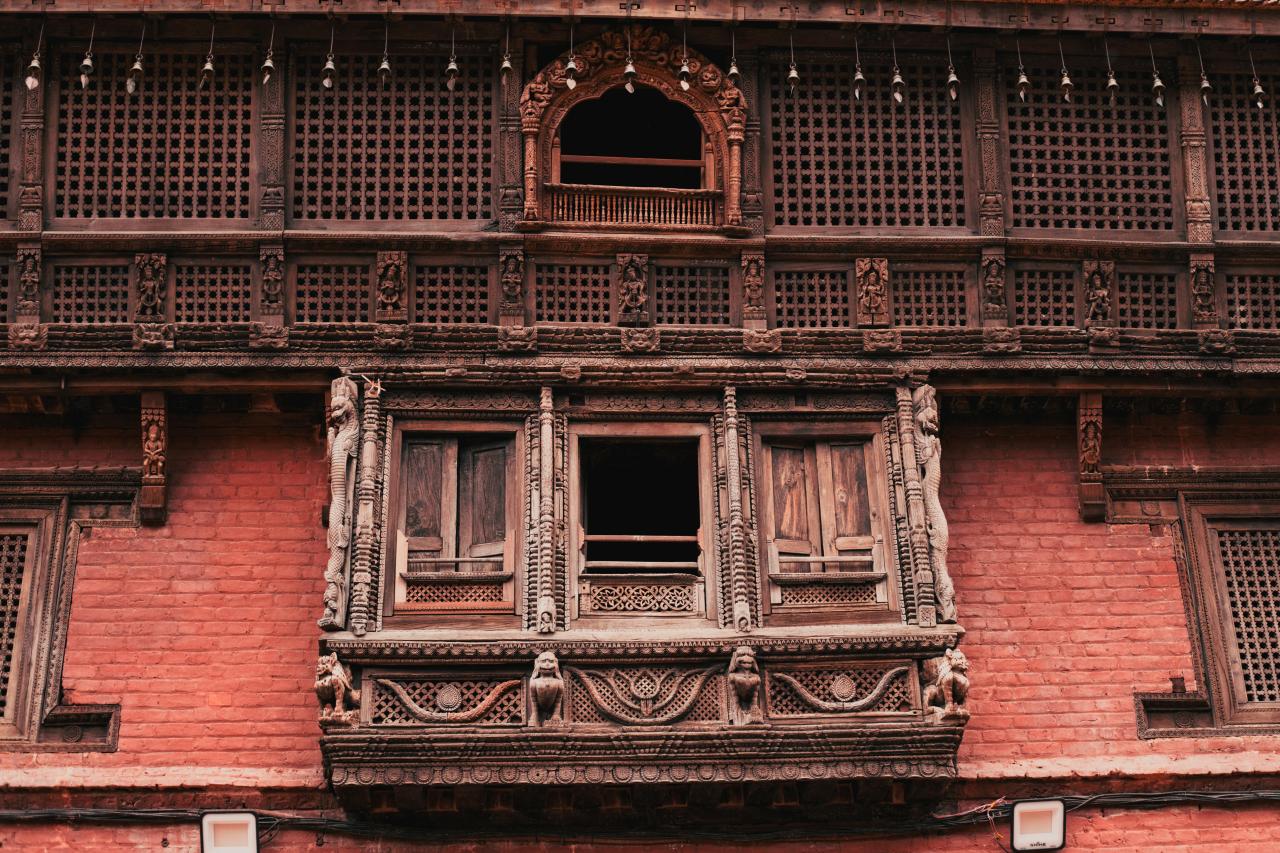
Iconic cultural architecture represents the peak of human creative expression within the built environment. Every pillar and archway serves as a vital bridge between our shared history and our collective future. The preservation of heritage design ensures that local identities are not erased by the tide of modernization. Adaptive reuse projects demonstrate that old buildings can meet the functional needs of a digital society. Materials like local stone and timber provide a tactile connection to the Earth that steel and plastic cannot match. Modern engineering allows us to protect and restore ancient landmarks with unprecedented precision.
Cultural buildings act as economic engines that revitalize cities and support the local creative economy. The psychological impact of beautiful architecture fosters a deep sense of belonging and community pride. Accessibility remains a key challenge that designers must address to make heritage inclusive for everyone. Global collaboration between architects and historians leads to more respectful and meaningful urban designs. Digital scanning technology provides a safety net for our most precious historical monuments against disaster. The contrast between ancient ruins and modern glass structures creates a vibrant and diverse city life.
Sustainability is now a core requirement for any high-performance cultural or heritage project. Symbolism in design helps tell the stories of people who lived long before the current generation. The future of architecture lies in balancing technological innovation with the wisdom of the past. Every new cultural landmark is a gift to the future, carrying our current values to those who come next. Ultimately, we shape our buildings, but our buildings—especially our cultural ones—truly shape us.