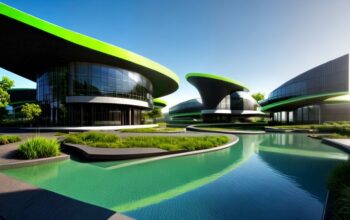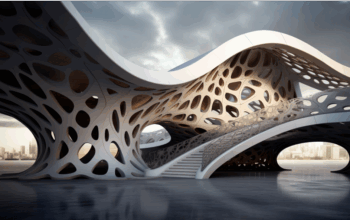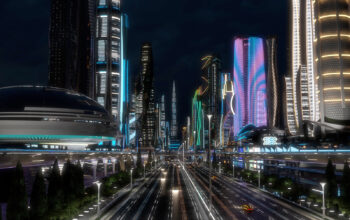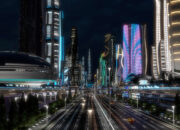

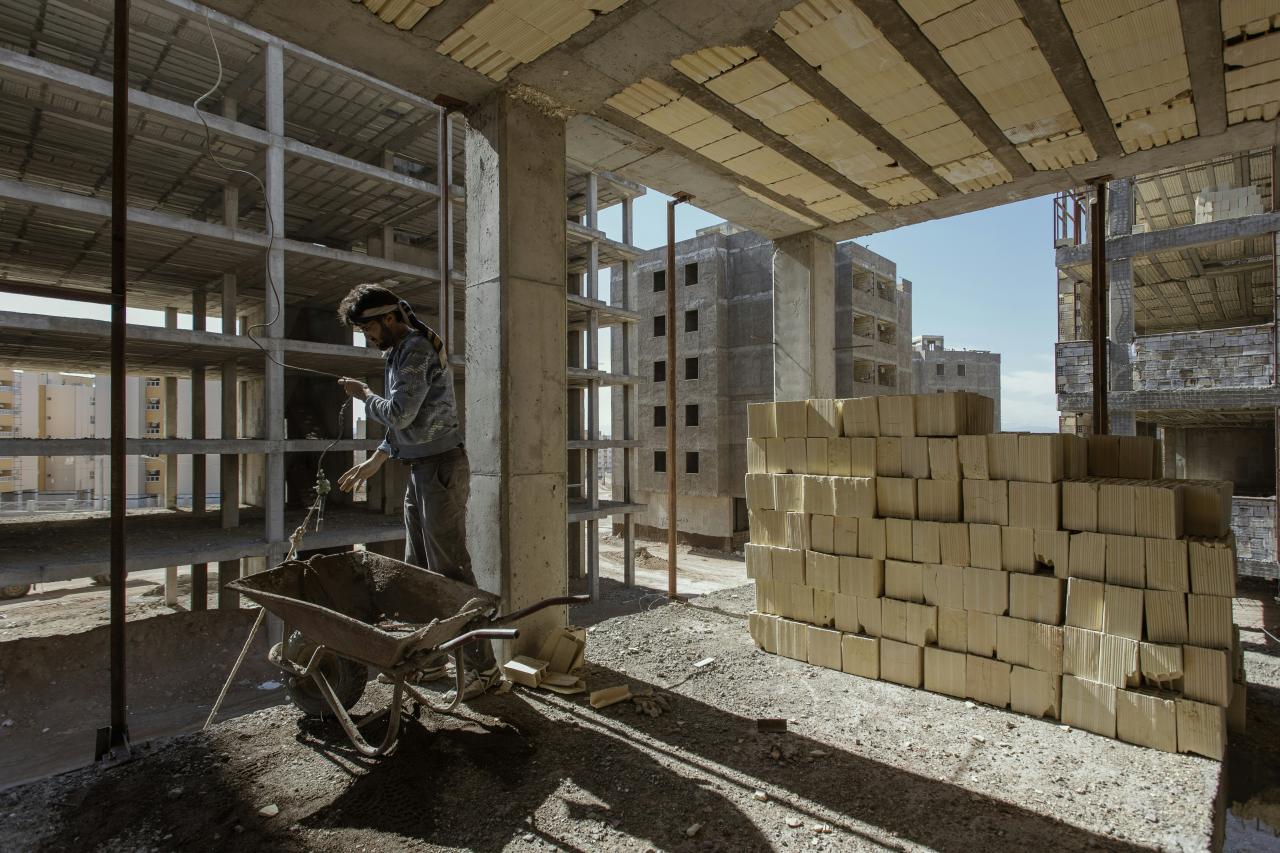
The world of architecture is currently witnessing a radical shift from static monuments to living, breathing environments that interact with their inhabitants. For centuries, humanity built structures designed to resist the forces of nature through sheer mass, heavy stone, and rigid steel frames. Today, the focus has shifted toward materials that can sense, react, and adapt to their surroundings in real-time to save energy. This evolution represents a perfect marriage between traditional civil engineering and cutting-edge materials science found in high-tech laboratories.
As we face global challenges like climate change and rapid urbanization, the need for buildings that can optimize their own energy use is more critical than ever before. We are moving toward a future where our walls might change color to regulate heat or stiffen their molecular structure to resist high winds. This article explores how these incredible “smart” materials are redefining the very essence of modern construction and sustainable design for the future. Understanding these technologies is the key to imagining the resilient and sustainable cities of the next generation of human civilization.
The Foundation of Smart Matter
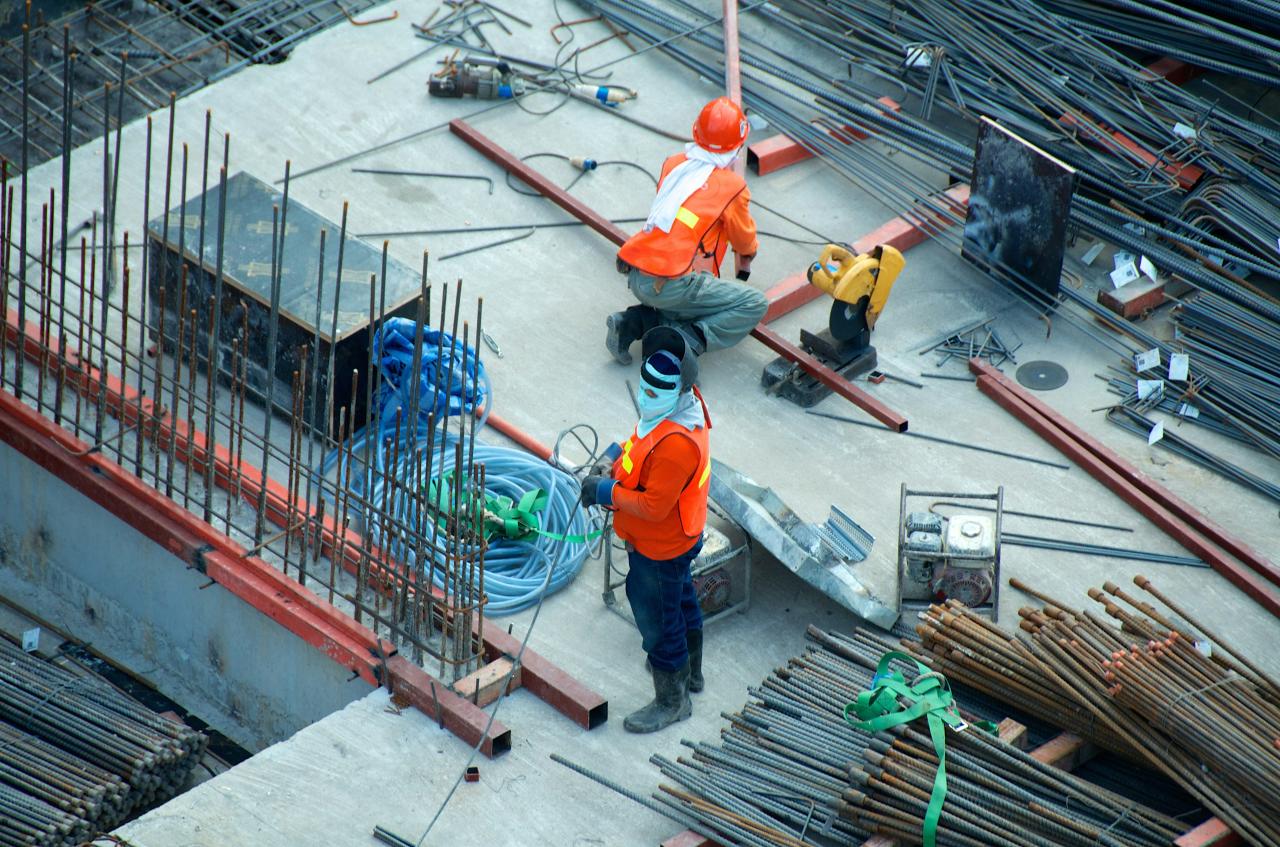
The core of adaptive architecture lies in the development of smart materials that respond to specific external stimuli in the environment. These stimuli can include sudden changes in temperature, ambient moisture, UV light intensity, or even direct mechanical stress from wind. Unlike traditional materials, these substances possess an inherent ability to alter their physical properties without any manual human intervention or external power. This capability allows a building to behave more like a complex biological organism than a lifeless, static box made of bricks.
A. Shape Memory Alloys
These are metallic compounds that can return to a predefined shape when they are exposed to a specific heat threshold. In modern construction, they are used to create structural dampers that absorb and dissipate seismic energy during intense earthquakes. They offer a way for buildings to “flex” during a disaster and then return to their original form once the danger has passed safely.
B. Thermochromic Glazing
This technology involves advanced window coatings that change their opacity or color based on the intensity of the hitting sunlight. By automatically darkening during the hottest parts of the day, these materials drastically reduce the need for expensive air conditioning systems. It is a highly effective passive way to manage the thermal comfort of a large glass skyscraper in a tropical climate.
C. Piezoelectric Composites
Piezoelectric materials have the unique ability to generate an electric charge when they are subjected to mechanical pressure or vibration. Engineers are exploring ways to embed these into flooring or road surfaces to capture energy from heavy foot traffic or moving vehicles. This turns the very act of moving through a building into a consistent source of renewable power for the facility.
Self-Healing Systems in Modern Infrastructure
One of the most expensive aspects of managing modern infrastructure is the continuous need for manual maintenance and structural repair. Concrete, while incredibly strong, is naturally prone to cracking over time, which allows water to seep in and corrode internal steel. Adaptive technology has introduced the concept of self-healing materials that can fix these internal fractures automatically without human help. This innovation extends the lifespan of bridges, tunnels, and high-rise buildings by decades while reducing long-term costs.
A. Bio-Concrete Solutions
This material contains specialized bacteria and chemical nutrients embedded within the concrete mix during the initial pouring stage. When a crack forms and moisture enters the structure, the bacteria wake up and produce limestone to fill the gap. It is a biological response to a mechanical problem that saves billions in repair costs over the life of the infrastructure.
B. Vascular Healing Networks
Inspired by the human circulatory system, some materials feature a network of tiny internal tubes filled with healing chemical resins. If the material is damaged or stressed, these tubes rupture and release the resin directly into the fracture point. The resin then hardens upon contact with air or a catalyst, restoring the structural integrity of the component almost instantly.
C. Polymeric Shape Recovery
Advanced polymers can now “remember” their original molecular state after being physically scratched, dented, or deformed. By applying a small amount of heat to the surface, the molecular chains rearrange themselves to erase the physical damage. This is particularly useful for exterior building claddings that are constantly exposed to the harsh elements of nature.
Responsive Facades and Kinetic Envelopes
The “skin” of a building is its primary interface with the outside world and the immediate surrounding environment. Responsive facades use a combination of sensors and mechanical actuators to move and change shape throughout the day for optimization. This reduces the reliance on artificial lighting and mechanical ventilation systems, which are huge consumers of electricity. A kinetic envelope can make a structure look alive as it breathes and shifts its panels in response to the sun.
A. Automated Shading Fins
These systems consist of vertical or horizontal louvers that rotate precisely based on the current position of the sun. They prevent glare and excessive heat gain while still allowing soft natural light to penetrate deep into the interior rooms. This creates a much more pleasant and productive working environment for the people living or working inside.
B. Pneumatic Building Skins
Some adaptive structures use air-filled pillows or advanced membranes that can expand or contract based on the weather. By changing the air pressure inside these cells, the building can adjust its insulation properties in real-time. It is an incredibly lightweight and modern way to create a high-performance thermal barrier for large stadiums.
C. Modular Kinetic Tiles
Modern facades can be covered in thousands of small, movable tiles that react to wind speed or light patterns. These tiles can open to allow cross-ventilation on a breezy day or close tightly during a storm to protect the glass. They also provide a stunning visual effect that changes every hour, making the building a piece of performance art.
Phase Change Materials and Thermal Regulation
Managing heat is arguably the biggest challenge in sustainable architecture and urban planning in the modern world. Phase Change Materials (PCMs) act like thermal batteries by absorbing and releasing heat as they change states of matter. Usually, these materials transition between solid and liquid forms at temperatures that are comfortable for human skin. Integrating PCMs into walls and ceilings allows for “passive” temperature control that requires absolutely no electricity to function.
A. Micro-Encapsulated Paraffin
Small droplets of specialized wax are encased in plastic shells and mixed into traditional drywall or interior plaster. During the hot day, the wax melts and absorbs the heat, keeping the room cool without the need for loud fans. At night, as the temperature drops, the wax solidifies and releases that stored heat back into the room to maintain warmth.
B. Bio-Based Salt Hydrates
These are eco-friendly and sustainable alternatives to petroleum-based waxes that offer much higher thermal storage density. They are often used in advanced floor heating systems to distribute warmth more evenly over a period of several hours. This technology is essential for zero-carbon homes that rely primarily on solar energy for their daily needs.
C. Hybrid Thermal Bricks
Researchers have developed new types of bricks that incorporate PCM cores to increase their thermal mass without adding physical weight. These bricks can buffer the interior of a home against extreme temperature swings found in desert or high mountain climates. It is a high-tech upgrade to the ancient and proven concept of adobe or heavy stone construction.
Smart Glass and Light Manipulation
Windows are often the weakest point in a building’s thermal envelope because they lose heat in winter and gain too much in summer. Smart glass technology is revolutionizing this sector by allowing the glass itself to control the flow of radiant energy. This eliminates the need for bulky curtains, dusty blinds, or external shutters that can block a beautiful view. The latest advancements even allow for the “selective” filtering of specific parts of the light spectrum.
A. Electrochromic Windows
This type of glass changes its tint or level of transparency when a small electric voltage is applied to the pane. The user can control the darkness of the window with a simple smartphone app or a standard wall switch. This provides instant privacy and solar control while maintaining a clear and unobstructed view of the outside world.
B. Photochromic Layers
Similar to the transition lenses found in modern eyeglasses, this material darkens automatically when it is exposed to direct UV rays. It requires no external power source at all, making it a perfect “fit and forget” solution for modern glass homes. It protects expensive furniture and art from fading while keeping the interior space cool and comfortable.
C. Liquid Crystal Glazing
Liquid crystals can be aligned or scattered using electricity to switch between transparent and frosted states in milliseconds. This technology is widely used for office partitions and high-end residential windows to provide privacy on demand. When the power is turned off, the crystals scatter light to create a completely opaque white privacy screen.
The Integration of IoT and Structural Health
Smart materials become even more effective when they are fully connected to the Internet of Things (IoT) via sensors. Sensors embedded within the structural core can provide a constant and reliable stream of data about the building’s overall health. This allows structural engineers to monitor stress levels, vibrations, and moisture content from a remote office location. If a problem is detected early, the adaptive systems can be triggered to mitigate the risk and prevent a failure.
A. Embedded Fiber Optic Sensors
These high-tech sensors are woven into the structural steel or the concrete pour to detect microscopic levels of strain. They provide real-time feedback on how the building is responding to extreme wind or heavy occupancy loads. This data is invaluable for ensuring the long-term safety of super-tall skyscrapers and long-span suspension bridges.
B. Wireless Moisture Detection
Moisture is the silent killer of many building materials as it lead directly to dangerous mold and structural rot. Smart membranes can now send a digital alert to the building manager if a leak is detected behind a finished wall. This allows for very localized and cheap repairs before the damage becomes widespread and incredibly expensive to fix.
C. Smart Energy Grids
Buildings that can sense and adapt can also talk directly to the city’s central power grid for efficiency. During times of peak demand, the building can automatically dim its lights or shift its thermal load to save money. This makes the entire city more resilient and reduces the strain on aging and struggling power plants.
Conclusion

The shift toward adaptive materials is defining a new and exciting era of human habitation. Static buildings are slowly being replaced by dynamic and responsive environments that care for us. This technology allows us to build structures that are both aesthetically beautiful and highly efficient. Sustainability is no longer an afterthought but is now a core part of the material science itself. We are finally learning to build in harmony with the natural and seasonal cycles of our planet.
The cost of these high-tech technologies continues to fall as mass adoption increases across the globe. Innovation in this specific field is saving massive amounts of energy and reducing carbon footprints. The future of architecture is a living system that actively protects and provides for its occupants. Adaptive materials will be the mandatory foundation of the smart and connected cities of tomorrow. Our relationship with the built environment is changing for the better and will remain so forever.