

The global market for bespoke artisanal craftsmanship is currently undergoing a magnificent revival that redefines our understanding of luxury and cultural value in the modern age. In a world increasingly saturated by mass-produced items and ephemeral digital experiences, the yearning for something tangible, soulful, and deeply rooted in human history has never been stronger.
As an art historian and visual anthropologist, she believes that the true essence of luxury lies in the “savoir-faire” of the elite artisan, whose hands transform raw materials into storied masterpieces. This shift toward “slow luxury” is not merely a fleeting trend but a fundamental economic pivot driven by a new generation of conscious and affluent consumers.
These individuals seek more than just high-status symbols; they seek “heirloom” quality items that carry a unique narrative and an unbreakable link to ancestral traditions. Investing in the artisanal sector requires a sophisticated analysis of how heritage can be scaled without losing its soul, balancing the unhurried pace of traditional craft with the rapid demands of a globalized digital marketplace.
This article provides an extensive breakdown of the strategic frameworks, economic drivers, and cultural shifts that are currently shaping the high-end artisanal landscape. By examining the intersection of ancient skill and modern market dynamics, we can better understand how bespoke craftsmanship is securing its place as the ultimate anchor of authenticity in the twenty-first century.
The Economic Resurgence of the Handmade
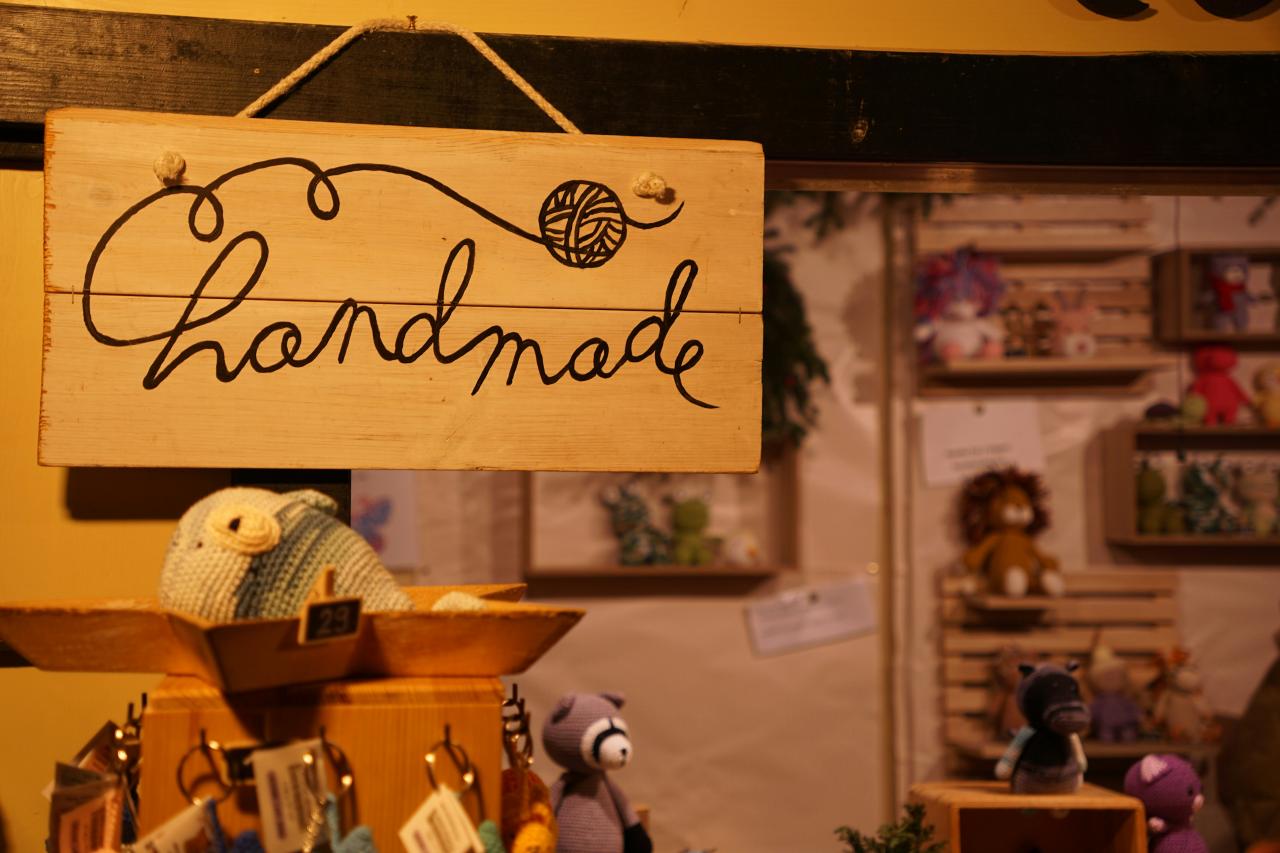
The global handicrafts market has reached a staggering valuation, projected to exceed trillions of dollars as we move deeper into this decade. This growth is primarily fueled by a significant shift in consumer psychology where the “unique” is valued far above the “perfectly uniform.”
Bespoke products, particularly in tailoring, jewelry, and home décor, are no longer seen as simple purchases but as long-term investments in cultural capital. The rarity of the skill required to produce these items creates a natural scarcity that justifies premium pricing in the global luxury segment.
A. Analyzing the Compound Annual Growth Rate of Global Artisanal Exports
B. Evaluating the Shift from Ostentatious Consumption to Hedonistic Utility
C. Investigating the Rise of Residential Demand for Unique Pottery and Woodwork
D. Assessing the Role of “Heirloom” Quality in Driving Repeat High-Value Sales
E. Benchmarking Artisanal Growth against Traditional Luxury Retail Performance
When a consumer chooses a bespoke piece, they are paying for time, expertise, and a moral commitment to ethical production. This perceived value creates a resilient market segment that often performs exceptionally well even during periods of broader economic uncertainty.
Cultural Storytelling as a Brand Differentiator
In the bespoke market, the story behind the object is often as valuable as the object itself. Luxury heritage brands are increasingly utilizing “visual anthropology” to document the creation process, turning the artisan’s workshop into a stage for cultural storytelling.
This narrative-driven approach allows brands to build a deep emotional connection with their clientele, transforming a transactional relationship into a shared journey of preservation. By highlighting the specific provenance of materials and the lineage of the craftsman, brands create an “aura” of exclusivity.
A. Utilizing Documentary Style Content to Showcase Traditional Workshops
B. Implementing Provenance Tracking to Verify Authentic Handmade Status
C. Developing Brand Narratives Rooted in Specific Regional Heritage
D. Analyzing the Impact of “The Maker’s Mark” on Consumer Trust
E. Managing the Balance between Traditional Secrecy and Modern Transparency
The presence of “slight imperfections” in a handmade ceramic vase or a hand-woven textile is now marketed as a signature of authenticity. These human touches serve as a counter-narrative to the sterile precision of AI-generated or machine-made goods.
The Digital Transformation of the Traditional Atelier
Technology, once viewed as the enemy of traditional craft, is now becoming its greatest ally in reaching a global audience. Digitalization allows a master weaver in a remote village or a bespoke tailor in a quiet city lane to connect directly with collectors thousands of miles away.
High-end e-commerce platforms and social media are providing the “digital galleries” necessary for artisans to bypass traditional middlemen and retain a larger share of the value they create. This direct-to-consumer model is revitalizing dying crafts by making them economically viable for younger generations.
A. Implementing AI-Driven Hyper-Personalization for Bespoke Orders
B. Utilizing Blockchain for Digital Certificates of Authenticity
C. Developing Immersive Virtual Reality Previews for Custom Furniture
D. Analyzing the Success of Niche Artisanal Marketplaces in Global Trade
E. Managing the Digital Divide for Aging Traditional Craft Communities
Digital tools are also being used to archive endangered techniques, ensuring that the “intangible heritage” of a culture is never truly lost. These digital repositories serve as both a museum and a training ground for the next generation of master makers.
Sustainability and the Ethics of Craft
Artisanal craftsmanship is inherently aligned with the principles of sustainability and the circular economy. Traditional methods typically utilize locally sourced natural materials, operate with a lower carbon footprint, and produce minimal waste compared to industrial manufacturing.
Modern luxury consumers are increasingly sensitive to environmental issues, and they view bespoke goods as a way to indulge their tastes without compromising their ethics. The “buy less, but buy better” philosophy is perfectly embodied in the artisanal model.
A. Evaluating the Low Energy Footprint of Manual Production Techniques
B. Utilizing Locally Sourced and Recycled Raw Materials in High-End Craft
C. Implementing Waste-Reduction Strategies in Traditional Textile Weaving
D. Analyzing the Correlation between Artisanal Work and Local Biodiversity
E. Managing Social Sustainability through Fair Trade Artisan Guilds
By supporting small-scale workshops, the global market helps preserve the ecological knowledge systems that have evolved over centuries. This stewardship of the environment is a core component of the “new luxury” identity that defines the current market.
Scaling Exclusivity without Compromising Integrity
One of the greatest challenges in the bespoke market is how to grow a brand while maintaining the “one-off” nature of the products. Strategic “clienteling”—the craft of building one-to-one relationships—allows brands to scale their service levels through data-driven personalization.
Investors are looking for models where high-tech logistics support high-touch craftsmanship. This hybrid approach ensures that while the backend of the business is modern and efficient, the frontend remains deeply human and artisanal.
A. Developing Limited Edition Collections to Maintain Market Rarity
B. Implementing Tiered Membership Access for Masterpiece Commissions
C. Utilizing Selective Distribution Networks to Protect Brand Prestige
D. Analyzing the Impact of Collaboration between Modern Designers and Artisans
E. Managing Quality Control during Geographic Market Expansion
Collaborations between contemporary designers and traditional artisans often result in “modern classics” that appeal to younger, trend-conscious luxury buyers. This fusion keeps the craft relevant and ensures it continues to evolve rather than becoming a static museum piece.
The Geography of Global Craftsmanship Clusters
The global market is organized into specific “clusters” of expertise, such as the leather workers of Italy, the watchmakers of Switzerland, or the zari embroiderers of India. These geographic indicators (GIs) serve as a powerful marketing tool and a guarantee of specific quality standards.
Protecting these clusters is vital for the long-term health of the global bespoke market. When a specific region becomes synonymous with a craft, it creates a self-sustaining ecosystem of suppliers, masters, and apprentices.
A. Mapping the Most Influential Global Clusters for Luxury Handicrafts
B. Utilizing Geographical Indication Status for Intellectual Property Protection
C. Developing Tourism Programs centered around Artisanal Heritage Sites
D. Analyzing the Economic Impact of Government Support for Local Guilds
E. Managing the Migration of Skills between Traditional Craft Hubs
Investing in these clusters provides a “moat” against competition, as the localized knowledge and communal history cannot be easily replicated elsewhere. These hubs are the beating hearts of the global aesthetic narrative.
Conclusion
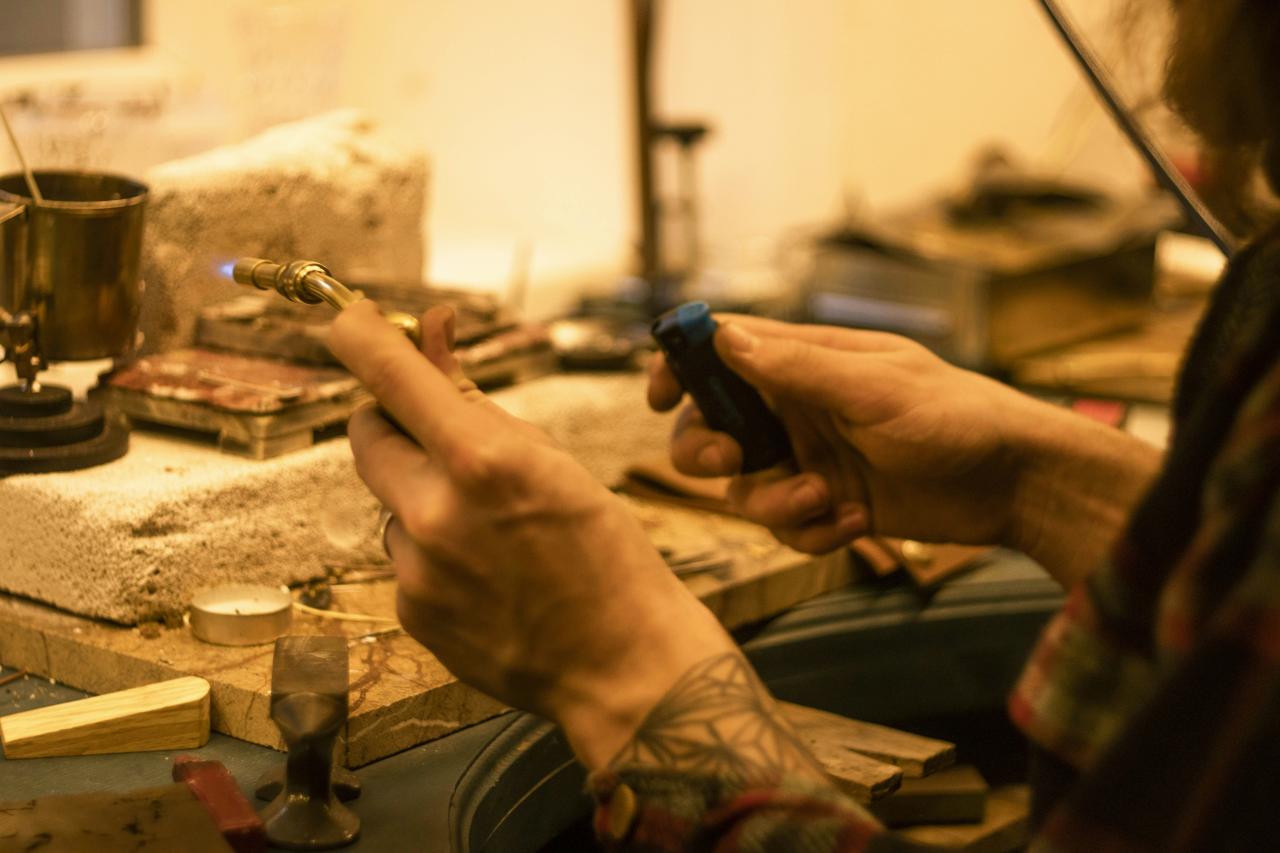
The global market for bespoke artisanal craftsmanship is experiencing a profound and sustainable resurgence. Authenticity has replaced mass-market luxury as the primary driver for high-net-worth consumer behavior. The modern artisan is no longer a relic of the past but a central figure in the future of sustainable luxury.
Digitalization is providing the necessary infrastructure for traditional crafts to thrive on a global scale. Sustainability is the natural byproduct of an artisanal model that values quality and longevity over quantity. Every bespoke object tells a story that connects the contemporary owner to a deep well of human history. The rarity of artisanal skills ensures that the market remains exclusive and highly valued by collectors. Strategic branding now focuses on the “maker’s journey” rather than just the final physical product.
Geographic clusters of expertise are the vital organs of the global luxury and cultural economy. Investing in heritage is a way to preserve the diversity of human expression in an age of globalization. The circular economy is best exemplified by items that are designed to be repaired and kept for generations. A healthy bespoke market creates a bridge of trust and human connection between the producer and the consumer. The future of luxury is found in the slow, deliberate, and soulful hands of the master craftsman.