
In the modern era of rapid urbanization and constant digital connectivity, the human spirit often finds itself yearning for a deeper connection with the natural world. This innate biological urge, known as biophilia, suggests that our well-being is intrinsically tied to the rhythms and elements of nature. As we spend more than ninety percent of our time indoors, the sterile environments of traditional architecture can lead to a sense of “nature deficit,” impacting our mental and physical health. Biophilic design emerges as a transformative solution, bridging the gap between the built environment and the organic world through strategic architectural and interior interventions. It is not merely a trend of placing a few potted plants in a room; rather, it is a sophisticated philosophy of integrating natural light, organic materials, and living systems into our daily spaces.
By embracing this approach, we can create sanctuaries that foster relaxation, boost productivity, and improve air quality while reducing our environmental footprint. This comprehensive guide explores how you can master the art of biophilic living to enhance your quality of life and contribute to a more sustainable future. Whether you are designing a new home or looking to refresh your current apartment, the principles of nature-inspired design offer a roadmap to a healthier and more vibrant existence. Let us delve into the mechanics of this green revolution and discover how to invite the outdoors in with style and purpose.
The Core Pillars of Biophilic Environments
To successfully implement a biophilic strategy, one must understand the three primary categories that define this design movement. Each pillar offers unique ways to reconnect with the natural world through different sensory experiences and spatial arrangements.
A. Direct Presence of Nature in the Space
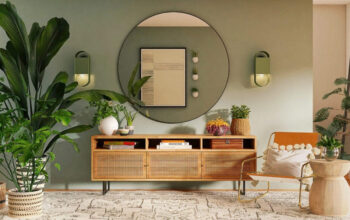
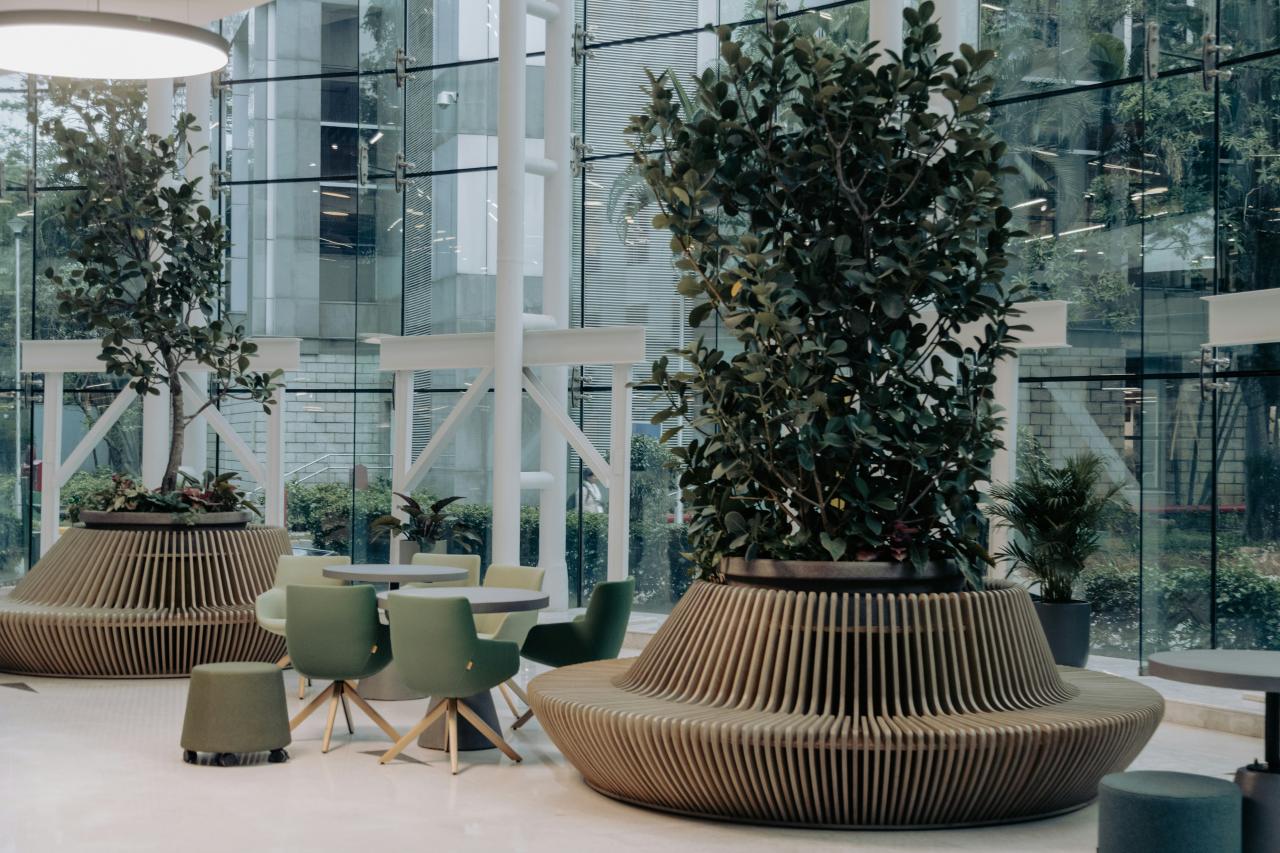
This is the most recognizable aspect, involving the literal inclusion of natural elements such as plants, water, and animals. It focuses on multi-sensory interactions, allowing you to see, hear, and feel the natural world within your four walls.
B. Natural Analogues and Indirect Representations
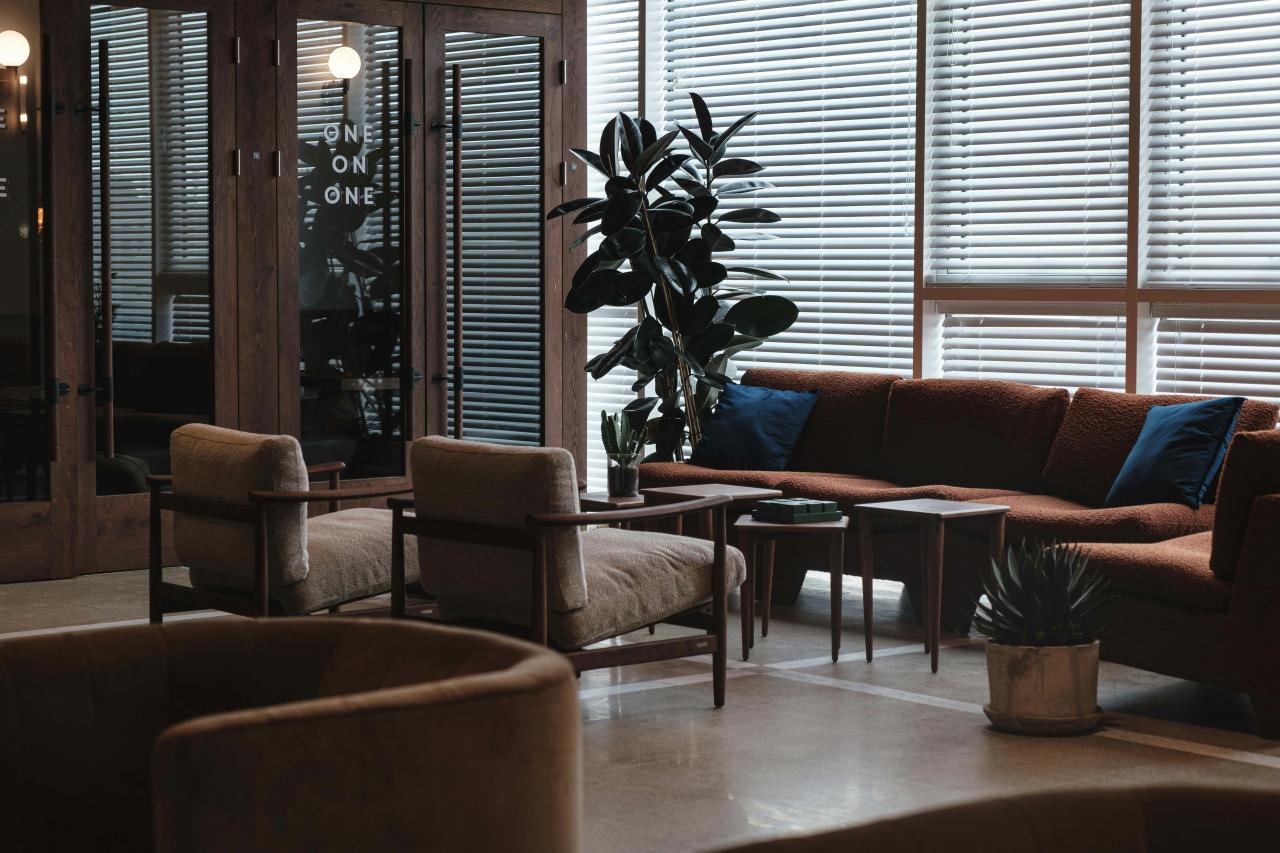
When living elements are not feasible, we use analogues to represent nature through organic shapes, textures, and patterns. This includes using furniture with wood grain, wallpapers with botanical motifs, or building materials like stone and clay that evoke the essence of the wild.
C. The Nature of the Space and Spatial Configurations
This category deals with the psychological feeling of a space, mimicking the emotional responses we have in the wild. It involves creating “prospect” views through large windows and “refuge” nooks for safety, as well as incorporating elements of mystery and sensory complexity.
Maximizing Natural Light and Circadian Rhythms
Light is the most powerful tool in biophilic design, serving as the primary regulator for our internal biological clocks and overall mood.
A. Strategic Window Placement and Solar Orientation
Positioning living areas to capture the sun’s movement throughout the day helps maintain our circadian rhythms. North-facing windows provide soft, consistent light, while south-facing glass can be used for warmth and high-energy brightness.
B. Skylights and Light Wells for Deep Penetration
In buildings where side windows are limited, skylights allow sunlight to flood the center of a home. This reduces the need for artificial lighting during the day and provides a visual connection to the changing sky and weather patterns.
C. Dynamic Lighting Systems for Evening Comfort
As the sun sets, your indoor lighting should mimic the natural progression of dusk. Using smart bulbs that shift from cool blue tones to warm ambers helps prepare the body for sleep, reducing the strain caused by harsh, artificial white light.
Integrating Living Systems and Indoor Greenery
Plants are the lungs of a biophilic home, providing both aesthetic beauty and functional benefits like air purification and humidity control.
A. The Rise of Living Walls and Vertical Forests
For those with limited floor space, vertical gardens offer a way to bring hundreds of plants into a single room. These systems often include integrated irrigation, making them a low-maintenance way to create a lush, immersive forest feel indoors.
B. Selecting Air-Purifying Species for Health
Certain plants, such as Snake Plants, Peace Lilies, and Pothos, are experts at filtering common household toxins. By strategically placing these in bedrooms and offices, you can significantly improve the quality of the air you breathe every day.
C. Culinary Herb Gardens and Edible Greenery
Biophilic design can also be functional by integrating small kitchen gardens for fresh herbs. This engages the senses of smell and taste, providing a direct and rewarding connection to the food we consume.
Sustainable Materials and Organic Textures
The materials we choose to surround ourselves with have a profound impact on the tactile experience and environmental sustainability of our homes.
A. The Timeless Appeal of Certified Hardwoods
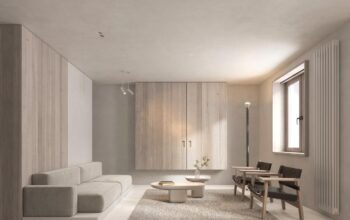
Using sustainably sourced wood for flooring and furniture adds warmth and authenticity to a space. The natural variations in wood grain provide visual interest that artificial materials simply cannot replicate.
B. Natural Stone and Clay for Grounding Textures
Stone surfaces in bathrooms or as accent walls provide a rugged, grounding presence. These materials are durable and have a high thermal mass, helping to regulate indoor temperatures naturally.
C. Plant-Based Fibers and Sustainable Textiles
Linen, wool, jute, and hemp are excellent choices for upholstery and rugs. These fibers are biodegradable and offer a soft, tactile connection to the plant and animal worlds, enhancing the cozy atmosphere of a room.
The Role of Water and Acoustic Serenity
The sound and sight of moving water have been proven to lower heart rates and reduce stress levels almost instantly.
A. Indoor Fountains and Rills for White Noise
Small water features can act as natural sound masks, blocking out the noise of traffic or noisy neighbors. The gentle trickling of a fountain creates a focal point of peace in a busy household.
B. Aquariums and Managed Ecosystems
Keeping an aquarium provides a window into an underwater world, offering a sense of calm and mystery. It is a dynamic element that changes throughout the day, providing endless visual fascination.
C. Maximizing Natural Ventilation and Breezes
The sound of wind through leaves or the feeling of a natural breeze is a key biophilic experience. Designing for cross-ventilation allows fresh air to circulate, reducing the reliance on mechanical air conditioning and connecting you to the outdoor climate.
Psychological Benefits and Mental Resilience
The true power of biophilic design lies in its ability to heal the mind and strengthen our emotional resilience in a high-stress world.
A. Stress Reduction and Cortisol Management
Studies consistently show that exposure to natural elements lowers cortisol levels, the body’s primary stress hormone. A biophilic office can lead to calmer, more focused employees who are less prone to burnout.
B. Enhanced Cognitive Function and Creativity
Natural settings improve our ability to focus and solve complex problems. By incorporating “prospect” views and organic patterns, we can stimulate the brain’s creative centers and improve memory retention.
C. Emotional Connection and a Sense of Belonging
Biophilic design fosters a deeper appreciation for our local environment. Using local materials and plants helps us feel more “at home” in our specific geographical location, building a sense of community and place.
Sustainable Practices in Biophilic Architecture
Biophilia and sustainability go hand in hand, as both aim to create a harmonious relationship between humans and the planet.
A. Energy Efficiency and Passive Solar Design
By using natural light and ventilation, biophilic homes significantly reduce their energy consumption. This lowers utility bills and reduces the carbon footprint associated with heating and cooling.
B. Water Conservation and Rainwater Harvesting
Many biophilic projects include systems for collecting and reusing rainwater for indoor irrigation. This creates a closed-loop system that respects the local water cycle and reduces waste.
C. Biodiversity Support in Urban Areas
Green roofs and balconies provide vital habitats for birds, bees, and butterflies in dense cities. This “green infrastructure” helps combat the urban heat island effect and promotes a healthier local ecosystem.
Implementing Biophilic Design on a Budget
You don’t need a massive renovation budget to start enjoying the benefits of a nature-inspired home.
A. Simple Shifts in Furniture Layout
Rearranging your seating to face a window or a garden can immediately improve your connection to the outdoors. Clearing clutter also allows natural light to reach deeper into your living spaces.
B. DIY Botanical Accents and Natural Decor
Collecting stones, driftwood, or pinecones from local walks can provide free, beautiful decor items. These “found objects” carry personal memories and provide a tactile link to your local landscape.
C. Using Color Palettes Inspired by Nature
Painting walls in earth tones, forest greens, or sky blues can change the psychological feel of a room. These colors are naturally soothing and provide a perfect backdrop for your living plants.
The Future of Biophilic Living and Urban Design
As we look toward the future, the integration of nature into our cities will become a necessity rather than a luxury.
A. The Evolution of Smart Green Technology
New sensors and automated systems are making it easier than ever to maintain large-scale indoor gardens. These technologies ensure that plants get the perfect amount of light and water, even in challenging environments.
B. Biophilic Urbanism and Green Corridors
Cities are beginning to prioritize “green corridors” that connect parks and residential areas. This allows wildlife to move freely and provides citizens with easy access to nature during their daily commutes.
C. A Holistic Approach to Human-Centered Design
The ultimate goal of the biophilic movement is to create a world where our built environments support our biological needs. By prioritizing life in all its forms, we can build a future that is both technologically advanced and naturally grounded.
Conclusion
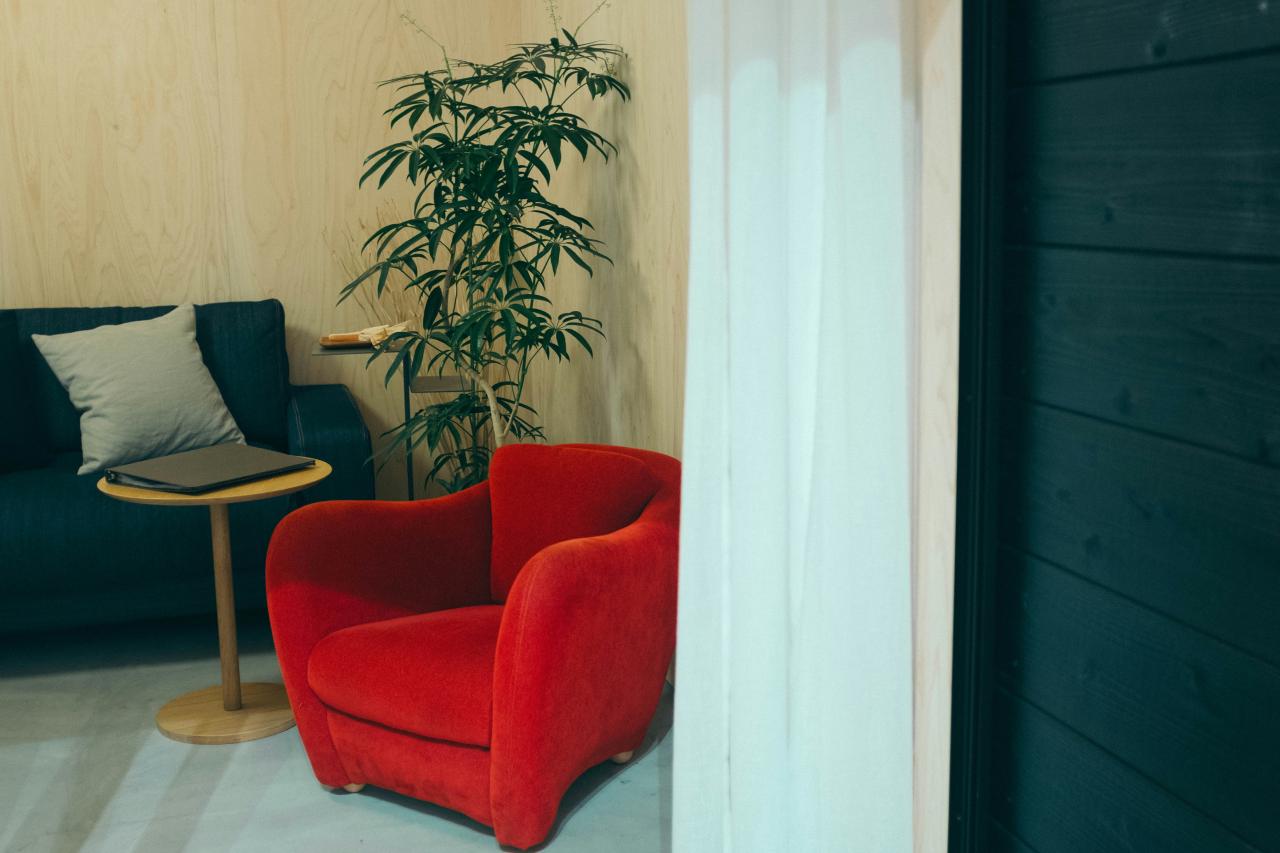
Sustainable living through biophilic design is a powerful way to reclaim our connection to the earth. This design philosophy turns every home into a restorative sanctuary for the modern human spirit. By focusing on light and plants, we can improve our health while protecting the planet’s resources. Every small change we make in our surroundings contributes to a larger shift in global sustainability. Nature is not a luxury but a fundamental necessity for a productive and happy life. The materials we choose and the spaces we build define our relationship with the natural world.
Embracing the rhythms of the sun and the flow of water brings a timeless peace to our busy lives. We must move beyond sterile architecture toward a living and breathing model of urban development. Biophilic living is an investment in our mental resilience and our children’s future well-being. The blueprints for a better world are already written in the patterns of the forest and the sea. Start your journey toward a greener home today and feel the immediate benefits of nature’s embrace. Your environment has the power to heal you if you only give it the space to breathe.
The future of design is organic and deeply connected to the pulse of our vibrant planet. True wealth is found in the simple joy of a sunlit room and the scent of fresh rain. Let us build a world where the boundaries between inside and outside finally disappear for good. The path to a sustainable life is paved with the green leaves and natural stones of our dreams. Welcome to the era of biophilic living where every breath is a reminder of our place in nature.